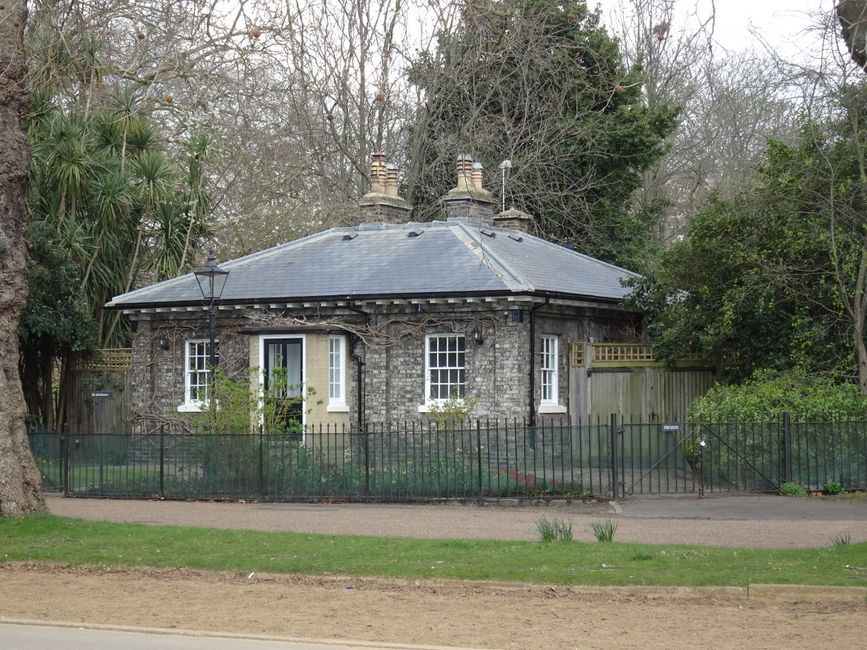
Garden maintenance near Gipsy Hill Station local guide for homes

If you live near Gipsy Hill Station, you already know the garden can change quickly. One week it looks tidy and welcoming; the next, the lawn is patchy, the hedge has run away with itself, and the borders are doing their own thing. Garden maintenance near Gipsy Hill Station for homes is really about keeping a garden healthy, manageable, and pleasant to live with all year round.
This local guide is written for homeowners who want practical answers rather than vague promises. You will find what regular garden care includes, why it matters in a built-up London setting, how the service usually works, what to watch out for, and when it makes sense to bring in help. Truth be told, a good garden is rarely about one big job. It is about small, steady attention.
Whether you have a compact front garden, a family back garden, or a larger space that needs seasonal resets, the aim is the same: keep things under control without losing the charm. And yes, that includes the awkward corners, the stubborn weeds, and the hedge that seems to grow overnight. Let's get into it.
Practical summary: the best garden maintenance near Gipsy Hill Station is usually regular, seasonal, and tailored to the size of the space, the amount of light your garden gets, and how much you want to do yourself.
- Routine tasks keep growth manageable.
- Seasonal work prevents bigger problems later.
- Local homes often benefit from flexible visits rather than one-off tidy-ups only.
- A clear maintenance plan helps you protect kerb appeal and day-to-day usability.
Why Garden maintenance near Gipsy Hill Station local guide for homes Matters
Gardens near a busy station area face a few practical realities. Foot traffic, mixed property types, shade from neighbouring buildings, and London weather all shape how a garden behaves. Some gardens get strong sun until mid-afternoon; others sit in a cooler pocket where moss, damp, and slow growth become familiar guests. Not glamorous, but very real.
Regular maintenance matters because neglected gardens do not just look untidy. They can become harder to bring back under control, more expensive to restore, and less enjoyable to use. A patch of weeds is rarely just a patch of weeds. Leave it long enough and it becomes seed heads, thicker roots, and a job that takes far longer than you expected. Gardening has a funny way of charging interest.
For homes near Gipsy Hill Station, appearance also matters. Front gardens and visible side returns can shape first impressions, and back gardens are often part of everyday life rather than occasional decoration. If you want a space that works for children, pets, barbecues, quiet mornings, or just hanging washing without tripping over bramble, maintenance is what keeps the garden usable.
There is another angle too: plant health. Regular pruning, mowing, feeding, and clearance reduce stress on shrubs and lawns. That means fewer dead patches, fewer overgrown stems, and fewer surprise jobs later in the year. Small things, done on time, really do add up.
How Garden maintenance near Gipsy Hill Station local guide for homes Works
Most garden maintenance for homes is built around a simple rhythm: inspect, tidy, cut back, clear, and reset. The exact tasks depend on the season, the size of the garden, and what the owner wants to achieve. A low-maintenance courtyard does not need the same attention as a lawn-heavy family garden with shrubs, climbers, and a hedge boundary.
A typical visit might include lawn mowing, edging, hedge trimming, weeding, leaf clearing, pruning, and general tidy-up work. In some gardens, there may also be planting, mulching, light shaping, or minor improvements to borders. For bigger projects, a one-off garden clearance or landscape gardening service may be a better fit than routine care alone.
Local maintenance services usually work in one of three ways:
- Regular maintenance visits - weekly, fortnightly, or monthly visits to keep everything under control.
- Seasonal visits - spring and autumn clean-ups, with extra work when growth or leaf fall peaks.
- One-off jobs - ideal for overgrown gardens, move-outs, or pre-sale tidy-ups.
In practice, many homeowners mix these approaches. For example, you might book regular lawn care through the growing season and then arrange a deeper tidy before winter. That flexibility is useful. No one wants to pay for work they do not need, and no one wants to spend Saturday morning fighting a hedge with kitchen scissors. Been there, regretted it.
Services often overlap. If the lawn is the main issue, lawn mowing is the core task. If boundaries are getting shaggy and blocking light, hedge trimming becomes the priority. If a garden has become cluttered or unused, garden clearance may be the smartest first step before any longer-term routine is put in place.
Key Benefits and Practical Advantages
There are obvious benefits to regular garden care, and then there are the smaller ones people only notice once the work has been done properly. The obvious ones are neatness, better presentation, and healthier plants. The less obvious ones are comfort, safer paths, fewer pests hiding in overgrowth, and a garden that feels welcoming instead of nagging at you every time you look out the window.
Here are the main practical advantages:
- Less overwhelm - smaller jobs are easier to manage than one giant catch-up day.
- Healthier growth - plants respond better when dead material and crowded stems are removed at the right time.
- Better use of space - paths, patios, borders, and lawns become usable again.
- Improved kerb appeal - especially useful if you are hosting, renting, or considering a sale.
- Lower risk of damage - overgrown hedges, clogged gutters from leaf drop, and unchecked weeds can create avoidable issues.
There is also a calmness factor people underestimate. A garden that feels under control changes how a home feels. It is not dramatic, just quietly better. Open the back door on a dry morning and see a neat border, a mown lawn, and a clear path, and the whole place feels lighter.
Key takeaway: good maintenance is not about making a garden look perfect. It is about making it manageable, healthy, and pleasant enough that you actually want to use it.
Who This Is For and When It Makes Sense
This type of service is useful for all sorts of households, but it is especially practical if you fall into one of these groups:
- Busy homeowners who simply do not have time for regular upkeep.
- Older residents who prefer help with heavier or repetitive tasks.
- Families who want a safe, tidy outdoor area without constant weekend catch-up.
- Landlords or property owners who need the exterior to stay presentable between tenancies.
- People with gardens that have become overgrown after a difficult season, illness, or travel.
- Homeowners preparing for a sale, renovation, or special event.
It also makes sense when you are in the "I can do some of it, but not all of it" stage. That is a common place to be. Maybe you are happy mowing the lawn but not climbing ladders to cut back tall shrubs. Or perhaps you can keep on top of deadheading and weeding, but the hedge and clearance work are just too much. That is where a reliable local maintenance plan can fill the gap without taking over entirely.
To be fair, not every garden needs frequent professional attention. A small paved yard with a few containers may only need light seasonal care. But if the space contains mixed planting, lawn areas, mature shrubs, or awkward access, having a pro involved can save a lot of time and a fair bit of frustration.
Step-by-Step Guidance
If you are wondering how to approach garden maintenance in a sensible way, start with structure before style. Pretty borders are lovely, but they do not mean much if the lawn is patchy and the hedge blocks half the light.
1. Walk the garden properly
Look at the whole space in daylight, ideally after a dry spell so you can see problem areas clearly. Notice where weeds collect, where the lawn thins out, where water sits, and which plants have outgrown their spots. A five-minute walk can save a lot of guesswork later.
2. Separate essentials from nice-to-haves
Some jobs are non-negotiable: grass cutting, trimming overgrowth, removing dead material, and keeping paths safe. Others are aesthetic, such as decorative reshaping or changing planting schemes. If budget or time is tight, deal with the essentials first. That sounds obvious, but people often start with the pretty part and leave the messy part untouched. Happens all the time.
3. Set a realistic schedule
Gardens near Gipsy Hill Station may need different frequencies depending on shade, soil, and how fast things grow. In the warmer months, lawns and hedges often need more attention. In autumn, leaf clearance takes over. In winter, the focus shifts to structure, pruning, and protection.
4. Use the right service for the right job
If the whole garden needs a reset, start with clearance. If the garden is already in decent shape, book regular maintenance. If one feature is causing most of the trouble, such as a hedge or a tired lawn, tackle that directly. Matching the service to the issue keeps costs and effort sensible.
5. Review after each visit
Check what was done, what still needs attention, and what can wait. Good maintenance is not just about work carried out on the day; it is about building a system that keeps improving the garden over time.
Here is a simple order of priorities that works well in real homes:
- Clear access paths and remove hazards.
- Cut back overgrowth and invasive weeds.
- Mow and edge lawns.
- Tidy hedges and shrubs.
- Deal with leaves, clippings, and waste.
- Assess what should be planted, repaired, or improved next.
Expert Tips for Better Results
Small decisions make a big difference. Garden maintenance is one of those jobs where timing and consistency matter more than grand gestures. A few useful habits can keep the space looking good without making it feel overworked.
- Cut little and often rather than too much at once. Lawns and hedges usually respond better to regular trimming than to harsh, infrequent cuts.
- Do not ignore the edges. A neat edge around a lawn or border makes the whole garden look sharper immediately.
- Mulch where you can. A layer of organic mulch can help reduce weeds and hold moisture, especially in warmer weather.
- Choose planting that suits the light. If your garden is shaded by nearby buildings or trees, avoid forcing sun-lovers into a gloomy corner and expecting magic.
- Keep an eye on drainage. Wet patches and compacted soil are easier to improve early than after they become routine problems.
One more thing: do not over-prune just because the garden looks busy. It is tempting. You stand there with a pair of shears and think, "I'll just take a bit more off." Then suddenly the shrub looks like it has had a difficult day. Better to trim with a plan.
And if you are not sure what a plant will tolerate, err on the side of caution. Most gardens recover better from gentle, repeated care than from one dramatic intervention.
Common Mistakes to Avoid
Most garden problems come from delay, overreaction, or the wrong tool for the job. The good news is that they are avoidable once you know what to watch for.
- Leaving maintenance too long. The longer weeds, grass, and hedges are left, the more work they create.
- Cutting hedges at the wrong time or too hard. This can leave gaps, stress plants, or reduce privacy more than expected.
- Ignoring the lawn until it is struggling. A lawn that is regularly mown and fed is far easier to keep healthy than one that is constantly bounced between extremes.
- Using the same routine all year. Gardens change with the seasons, so maintenance should too.
- Forgetting about waste removal. Clippings, branches, and debris quickly make a tidy job look unfinished.
- Assuming every garden can be treated the same way. Soil, shade, access, and layout all matter.
There is also the classic mistake of doing a huge clean-up once a year and hoping that counts as maintenance. It is a bit like servicing a car only when it breaks down. You might get away with it for a while, but it is not the smartest approach.
Tools, Resources and Recommendations
You do not need a shed full of specialist gear to maintain a garden well. In many homes, the right basics are enough. The trick is using tools that suit the scale of the space and the amount of work involved.
| Task | Useful tools | What to look for |
|---|---|---|
| Lawn care | mower, edging tool, rake | Clean cut, adjustable height, easy collection |
| Hedge trimming | hedge trimmer, loppers, secateurs | Sharp blades, comfortable handling, safe reach |
| Weeding and border care | hand fork, hoe, gloves | Good grip, durability, comfort for repetitive work |
| Clearance | bins, sacks, shears, pruning saw | Controlled removal, safer handling of larger material |
| Seasonal tidy-ups | rake, leaf collector, general hand tools | Lightweight, efficient, easy to store |
If you are hiring help, ask what equipment is included and how waste is handled. That saves awkward surprises later. Some jobs also benefit from specialist services such as tree lopping and removal where overgrown branches are shading the whole garden or creating a nuisance.
It is also worth checking whether a provider gives clear information about the way they work, their public-facing policies, and how they handle safety. Useful pages to review on a local site can include services overview, pricing and quotes, insurance and safety, and health and safety policy. Those details may not be exciting, fair enough, but they do help you choose with more confidence.
Law, Compliance, Standards, or Best Practice
Garden maintenance is usually straightforward, but there are still sensible standards to keep in mind. If you are hiring anyone to work on your property, you should expect safe working practices, clear communication, and proper handling of waste and equipment. That is not over-demanding; it is just basic professionalism.
In the UK, homeowners should also be mindful of neighbour relations. Overhanging branches, hedge boundaries, noise, and access can all lead to avoidable friction if handled carelessly. The exact legal position depends on the situation, so if a boundary issue is uncertain, it is wise to deal with it carefully and calmly rather than guessing.
Best practice normally includes:
- Using suitable protective equipment when cutting, pruning, or clearing.
- Checking access routes so tools and waste do not damage paths or fences.
- Managing garden waste responsibly rather than leaving piles behind.
- Avoiding unsafe work at height without the proper equipment and competence.
- Working with care around pets, children, and neighbouring property.
If a service provider references policies such as terms and conditions, privacy policy, or recycling and sustainability, that can be a good sign they take the less visible parts of the job seriously too. It suggests structure, not just a mower and good intentions.
Options, Methods, or Comparison Table
Different maintenance approaches suit different homes. The best choice depends on how much time you have, how quickly the garden changes, and whether you want simple upkeep or a more hands-on improvement plan.
| Approach | Best for | Pros | Possible downside |
|---|---|---|---|
| DIY upkeep | small, simple gardens and confident owners | Lower direct cost, flexible timing | Easy to let jobs slip, can become tiring |
| Regular maintenance visits | busy households and mixed planting | Consistent results, less stress, better routine | Requires ongoing commitment |
| Seasonal tidy-ups | gardens that only need periodic resets | Good for spring and autumn, manageable budget | Not enough for fast-growing or heavily used gardens |
| Clearance followed by routine care | overgrown or neglected gardens | Creates a fresh starting point, then keeps it under control | Often more work at the beginning |
For many homes near Gipsy Hill Station, the most practical option is a mix: one clear-out to get the space back, then regular light maintenance to stop it sliding again. That combination usually feels less daunting and, frankly, more realistic.
Case Study or Real-World Example
Imagine a typical family home not far from the station. The front garden has a small lawn, a hedge, and a few shrubs. The back garden is bigger, with borders, a patio, and a corner that has become a bit wild after one busy season. Nothing dramatic, just gradually neglected.
At first, the owners try to handle everything in one weekend. The lawn gets cut, but the hedge is left because the trimmer blade is blunt. The border weeds stay because there are too many, and by the time they get to the patio, it has started raining. Classic British gardening behaviour, really.
A better approach is to split the work into sensible stages:
- Clear the worst growth and remove debris.
- Mow and edge the lawn so the garden looks immediately more orderly.
- Trim the hedge and cut back anything blocking light or access.
- Weed the borders and tidy the patio corners.
- Set a repeat schedule so the garden does not drift back into disorder.
After that reset, the space becomes usable again. The children can play without stepping through nettles, the patio feels like part of the house rather than a forgotten annex, and the owners stop dreading the back door. It is not magic. It is just the effect of consistent upkeep done at the right time.
Practical Checklist
Use this checklist if you want a quick way to assess whether your garden is ready for regular maintenance or needs a more substantial reset first.
- Is the lawn cut often enough to stay healthy and presentable?
- Are the hedges trimmed before they block light or paths?
- Are weeds being removed before they spread into borders or paving?
- Is leaf and debris build-up being cleared regularly?
- Are shrubs and plants being pruned at suitable times of year?
- Is garden waste being collected and removed properly?
- Are access routes, steps, and paths safe and clear?
- Do you know which tasks are routine and which need specialist help?
- Has the garden got a simple seasonal plan, not just ad hoc jobs?
- Does the space look and feel manageable rather than overwhelming?
If you answer "no" to several of those, do not panic. That just means the garden needs a proper plan, not a heroic rescue mission. And honestly, most gardens do better once they stop being treated like a one-off project.
Get a free quote today and see how much you can save.
Conclusion
Garden maintenance near Gipsy Hill Station is about more than keeping things neat. It is about protecting the health of the garden, making outdoor space useful again, and reducing the stress that comes from letting jobs pile up. For homes in a busy London setting, that regular care can make a real difference to everyday comfort.
The best approach is usually simple: start with what is getting in the way, choose the right level of help, and keep the garden on a steady seasonal rhythm. Whether you need mowing, hedge trimming, clearance, or a broader maintenance plan, the goal is the same. A garden that feels lived in, tidy enough, and not constantly asking for rescue.
If you are ready to take the next step, it helps to review service details, compare what is included, and look at practical support such as about us, contact us, and blog resources before making a decision. A little clarity now saves a lot of guesswork later.
And once the garden is back under control, you may be surprised how much calmer the whole home feels. Small spaces can do big things like that.
Frequently Asked Questions
What does garden maintenance near Gipsy Hill Station usually include?
It usually includes routine tasks such as lawn mowing, hedge trimming, weeding, pruning, clearing leaves, removing debris, and keeping borders and paths tidy. Some gardens also need seasonal work or a one-off clearance before regular maintenance begins.
How often should a home garden be maintained?
That depends on the size of the garden, the season, and how fast things grow. Many gardens benefit from weekly or fortnightly attention during active growing periods, while smaller or slower-growing spaces may only need monthly or seasonal visits.
Is regular maintenance better than one-off garden clearance?
For most homes, yes. One-off clearance is useful for getting a neglected garden back under control, but regular maintenance is what keeps it manageable. Without follow-up, the garden usually slides back to where it started. Nature is persistent like that.
What if my garden is small and mostly paved?
Even a small garden can benefit from light maintenance. Patio cleaning, weeding, container care, and occasional pruning can keep a compact space looking sharp. Small gardens often need less time, but they still need attention.
Can garden maintenance help improve kerb appeal?
Yes. A tidy front garden, neat edging, and controlled hedge growth can make a property look much better cared for. That matters whether you are staying put, renting out, or thinking about selling.
What should I ask before booking a local gardening service?
Ask what tasks are included, how waste is removed, whether equipment is provided, how often visits are recommended, and whether the team is insured. Clear answers are usually a good sign of a well-run service.
Do I need hedge trimming separately from general garden maintenance?
Sometimes, yes. Hedge trimming can be included in a broader maintenance plan, but very tall, dense, or overgrown hedges may need specific attention. If the hedge is blocking light or access, it is worth dealing with it directly.
What is the difference between landscape gardening and maintenance?
Maintenance keeps an existing garden healthy and tidy. Landscape gardening is more about changing the layout, structure, or planting of the space. If you want to redesign the garden, that is a different sort of job.
How do I know if my garden needs a full reset?
If weeds are spreading everywhere, the lawn is patchy, shrubs are overgrown, and you are avoiding the space because it feels too much, a reset may be the right first step. After that, regular care is much easier to manage.
Are there any safety issues to think about?
Yes. Safe tool use, stable footing, careful pruning, and proper handling of waste all matter. If work involves height, heavy cutting, or awkward access, it is better to use a service that follows clear safety practices and has the right equipment.
What is the best time of year to start garden maintenance?
Honestly, the best time is whenever the garden starts slipping. That said, spring and early autumn are often good moments to reset, because they are natural turning points in the garden year. You can then build a routine around them.
How do I keep maintenance costs sensible?
Start with the jobs that matter most, then agree on a realistic schedule. Regular upkeep is often more cost-effective than waiting for everything to get out of hand. A little consistency usually beats a big rescue job later on.